

Hypertension
Hypertension in Rajinder Nagar
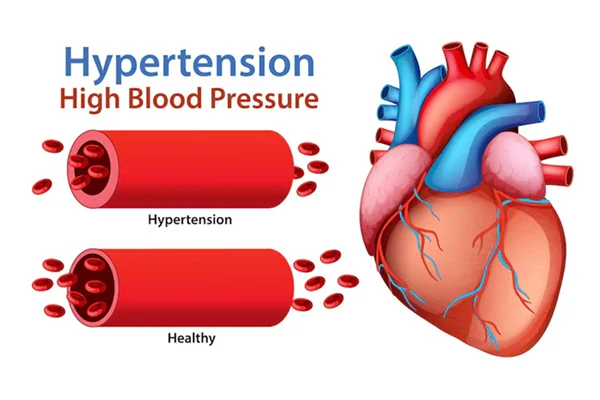
Hypertension, commonly known as high blood pressure, is a long-term medical condition in which the force of blood against the walls of the arteries remains consistently elevated. It is a major risk factor for heart disease, stroke, kidney damage and other health complications. Since hypertension often develops without noticeable symptoms, regular blood pressure monitoring and timely medical evaluation are essential for maintaining overall health.
If you are looking for Hypertension Treatment in Rajinder Nagar, consulting a qualified medical professional can help identify elevated blood pressure, assess associated risk factors and develop an appropriate management plan. Dr. Vishwas Gulati, Consultant in Nephrology and Renal Transplantation at BLK-Max Super Speciality Hospital, Delhi, provides specialist evaluation of kidney-related conditions, including concerns involving blood pressure and kidney function.
Managing hypertension is particularly important for people with chronic kidney disease, diabetes or other conditions that increase cardiovascular risk. Early diagnosis and consistent follow-up can help reduce the likelihood of long-term complications.
What Is Hypertension?
Blood pressure is measured using two numbers. Systolic pressure, the upper number, represents the pressure in the arteries when the heart contracts. Diastolic pressure, the lower number, measures the pressure when the heart relaxes between beats.
Blood pressure that remains elevated over time may place additional strain on the heart, blood vessels and kidneys. A diagnosis of hypertension is based on appropriately measured readings, usually taken on more than one occasion, rather than a single elevated reading alone.
The threshold used to diagnose hypertension may vary according to the clinical guideline, measurement setting and individual circumstances. A healthcare professional can interpret readings in the context of a person's overall health.
Common Symptoms of High Blood Pressure
Hypertension is often called a silent condition because many people experience no obvious symptoms, even when their blood pressure is significantly elevated.
Possible symptoms in some circumstances include:
- Headaches
- Dizziness
- Blurred vision
- Shortness of breath
- Chest discomfort
- Nosebleeds
These symptoms are not specific to hypertension and may have other causes. Their absence does not mean blood pressure is normal. Regular measurement is the most reliable way to identify elevated blood pressure.
Seek emergency medical attention if high blood pressure is accompanied by chest pain, severe breathlessness, sudden weakness, difficulty speaking, confusion or sudden changes in vision.
Causes and Risk Factors of Hypertension
High blood pressure can develop due to a combination of inherited, lifestyle-related and medical factors.
Family History and Age
A family history of hypertension can increase the likelihood of developing the condition. Blood pressure also tends to rise with age as changes occur in the blood vessels.
Excessive Salt Intake
Consuming too much sodium can contribute to elevated blood pressure, particularly in people who are salt-sensitive or have kidney disease.
Excess Body Weight and Inactivity
Excess body weight and limited physical activity can increase hypertension risk. Regular exercise and weight management may support healthier blood pressure levels.
Diabetes and Metabolic Conditions
Diabetes, insulin resistance and certain metabolic conditions can increase the risk of hypertension and cardiovascular disease.
Kidney Disease
The kidneys regulate fluid balance and help control blood pressure through hormonal and other mechanisms. When kidney function is impaired, the body may retain excess sodium and fluid, contributing to hypertension.
Other Contributing Factors
Smoking, excessive alcohol consumption, poor sleep, certain medications and ongoing stress may influence blood pressure. Some individuals develop secondary hypertension due to an identifiable medical condition, such as kidney disease or hormonal abnormalities.
The Connection Between Hypertension and Kidney Disease
The relationship between high blood pressure and kidney disease works in both directions. Persistent hypertension can damage the small blood vessels in the kidneys, reducing their ability to filter waste and maintain fluid balance.
At the same time, damaged kidneys may struggle to regulate sodium, water and hormones involved in blood pressure control. This can make hypertension more difficult to manage.
Over time, uncontrolled blood pressure may contribute to chronic kidney disease and increase the risk of cardiovascular complications. People with reduced kidney function may therefore need closer monitoring of blood pressure, kidney filtration levels and urine protein.
Early detection and appropriate management can help slow kidney damage and reduce associated health risks.
Diagnosis of Hypertension in Rajinder Nagar
A structured assessment helps confirm hypertension, identify possible causes and determine whether other organs have been affected.
Blood Pressure Measurement
Blood pressure should be measured using a properly fitted cuff while the patient is seated and rested. Repeated readings help reduce the influence of temporary factors such as anxiety, recent exercise or caffeine.
Home Blood Pressure Monitoring
Home monitoring can provide useful information about blood pressure throughout the day. Patients should use a validated device, follow correct measurement techniques and record readings as advised by their healthcare professional.
Blood and Urine Tests
Depending on the patient's condition, investigations may include:
- Serum creatinine and estimated glomerular filtration rate to assess kidney function
- Electrolyte measurements, including potassium
- Blood glucose or HbA1c to evaluate diabetes
- Urine albumin or protein testing to identify possible kidney damage
- Cholesterol testing to assess cardiovascular risk
Additional Investigations
An electrocardiogram may be recommended to evaluate the heart. Further investigations may be appropriate when blood pressure is unusually high, begins at a young age, becomes difficult to control or suggests an underlying medical cause.
Hypertension Treatment in Rajinder Nagar
Treatment aims to bring blood pressure towards an appropriate target, reduce the risk of complications and address any underlying conditions. The plan depends on blood pressure readings, age, kidney function, cardiovascular risk and other medical factors.
1. Lifestyle Modifications
Lifestyle changes are an important part of hypertension management, whether or not medication is required.
Recommended measures may include:
- Reducing excess salt in the diet
- Eating vegetables, fruits and other nutrient-rich foods appropriate to individual medical needs
- Maintaining a healthy body weight
- Engaging in regular physical activity, as medically appropriate
- Avoiding tobacco
- Limiting alcohol consumption
- Maintaining consistent sleep habits
- Practising stress-management techniques
People with advanced kidney disease may require individualised dietary advice, particularly regarding potassium, phosphorus and fluid intake.
2. Antihypertensive Medications
Medication may be necessary when lifestyle measures alone do not achieve adequate blood pressure control or when cardiovascular and kidney risks warrant earlier treatment.
Common medication groups include:
- ACE inhibitors and ARBs: Often used in selected patients with kidney disease and albuminuria, with monitoring of kidney function and potassium.
- Calcium channel blockers: Help relax blood vessels and reduce blood pressure.
- Thiazide-like diuretics: Help the body remove excess sodium and water in suitable patients.
- Other antihypertensive medicines: May be prescribed according to individual requirements and associated conditions.
The choice of medication and target blood pressure should be personalised. Patients should not start, stop or adjust prescribed medicines without medical guidance.
3. Managing Hypertension in Kidney Disease
Patients with chronic kidney disease may need additional monitoring because some blood pressure medicines affect kidney function measurements and potassium levels. Regular blood and urine tests help assess treatment response and identify potential side effects.
A nephrologist can evaluate whether kidney disease is contributing to hypertension and help coordinate long-term management when kidney-related complications are present.
4. Resistant Hypertension
Resistant hypertension refers to blood pressure that remains above target despite an appropriate combination of medications, commonly including three complementary agents at suitable doses, one of which is a diuretic when appropriate.
Before confirming resistant hypertension, clinicians may review medication adherence, measurement technique, interfering medicines and possible secondary causes. Specialist assessment may help identify a more effective management strategy.
Lifestyle Tips for Better Blood Pressure Control
Daily habits can support medical treatment and improve long-term cardiovascular health.
Monitor blood pressure regularly: Keep a record of readings and share it during medical appointments.
Reduce sodium intake: Limit highly salted packaged foods, pickles, processed snacks and excessive added salt.
Stay active: Aim for regular moderate physical activity based on your health and mobility.
Take medicines consistently: Follow the prescribed schedule and discuss side effects rather than stopping treatment independently.
Attend follow-up appointments: Regular reviews help determine whether treatment is working and whether adjustments are needed.
Manage associated conditions: Diabetes, abnormal cholesterol levels and kidney disease require appropriate monitoring alongside blood pressure.
Why Consult Dr. Vishwas Gulati in Rajinder Nagar?
Dr. Vishwas Gulati is a Consultant in Nephrology and Renal Transplantation at BLK-Max Super Speciality Hospital, Delhi, with over 17 years of experience.
A nephrology consultation can be helpful for patients with hypertension accompanied by reduced kidney function, protein in the urine, electrolyte abnormalities or suspected kidney-related causes of elevated blood pressure.
Assessment may include reviewing blood pressure records, evaluating kidney function, identifying contributing medical conditions and planning appropriate monitoring. Where needed, care can be coordinated with other specialists to address cardiovascular risk and associated health concerns.
Individualised management and regular follow-up are important for maintaining blood pressure control and protecting long-term kidney health.
Frequently Asked Questions
1. What is considered high blood pressure?
Hypertension is diagnosed when blood pressure remains above the relevant clinical threshold on appropriate measurements. The diagnostic threshold may vary by guideline and setting, so repeated readings and professional assessment are important.
2. Can high blood pressure damage the kidneys?
Yes. Persistent hypertension can damage kidney blood vessels and contribute to chronic kidney disease. Kidney disease can also cause or worsen high blood pressure.
3. Does hypertension always cause symptoms?
No. Many people with hypertension have no noticeable symptoms. Regular blood pressure measurement is essential because symptoms alone cannot reliably identify the condition.
4. Can lifestyle changes control hypertension?
Lifestyle changes, including reducing excess salt, maintaining a healthy weight and exercising regularly, can improve blood pressure. Some patients also need prescribed medication to achieve adequate control.
5. Which doctor should I consult for hypertension with kidney problems?
A nephrologist can evaluate hypertension associated with kidney disease, abnormal kidney function or protein in the urine. Other specialists may be involved depending on the patient's overall health.
6. When should I seek urgent help for high blood pressure?
Seek emergency medical care if high blood pressure occurs with chest pain, severe breathlessness, sudden weakness, difficulty speaking, confusion or sudden visual changes. Do not delay care while trying to lower blood pressure at home.
Conclusion
Hypertension requires consistent monitoring, appropriate treatment and attention to associated health conditions. Early diagnosis and sustained blood pressure control can reduce the risk of cardiovascular complications and kidney damage. For Hypertension Treatment in Rajinder Nagar, consult Dr. Vishwas Gulati for specialist evaluation when high blood pressure is associated with kidney health concerns.


